Competence is one of the six key values that all health and social care workers should follow: the 6 Cs. But what is competence in health and social care, and how can you make sure that you’re supporting your team to be competent?
Competence means being able to support your clients safely and appropriately.
As a care manager, it’s crucial to provide good training, and make sure that your team know what they should be doing. Are your care plans written clearly? Do your care staff have the right equipment? Are you available to support them and answer questions when necessary?
In this article, we’ll explain more about what competence means, why it’s important, and how care providers can evidence that their care teams are competent. We’ll also look at some of the common barriers to competence in health and social care, and how you can overcome them to help your team provide great care.

Table of Contents
What are the 6 Cs?
The 6 Cs in health and social care are a set of core values that every health and social care worker should follow.
They are:
- Care
- Compassion
- Competence
- Communication
- Courage
- Commitment
By following these values, care providers have the best chance of helping their clients feel comfortable, and delivering safe and appropriate care.
Book a free tour
Help your team deliver competent, confident care
Give carers clear care plans, structured care notes, and the information they need to provide safe, consistent support every day.

What is competence in health and social care?
Competence in health and social care means having the right skills, knowledge, and mindset to deliver the appropriate care safely to every client.
Care workers must be able to understand an individual’s needs. They must also have the expertise and experience to adequately support their clients.
This doesn’t mean that a carer needs a medical degree, or to be an expert in cancer, post-stroke care, dementia, or other health conditions. However, it does mean that they need to understand how they should support an individual, communicate with them effectively, and spot potential health and safeguarding concerns.
To be competent, a care worker must have:
- Good communication skills
- A clear understanding of their client’s needs
- A clear understanding of the organisation’s policies and procedures
- The right training to carry out their tasks
- The right equipment
- The right support from their manager and organisation
- The right attitude
Examples of competence
We’ve put together some examples to illustrate competence in health and social care.
- Maria is supporting a client to take their medication. Before she administers the medication, she checks the care plan and eMAR to make sure that she knows the right dosage and history. She checks that the details on the medication packaging match up with what is listed in the records, and, once she has administered the medication, she fills in the medication record.
- Aaron needs support when transferring from his bed to his wheelchair. His carer, Sunil, knows that he could probably lift Aaron himself, and it would be quicker than using equipment. However, Sunil makes sure that he uses the hoist and follows what he learnt in his moving and handling training.
- Layla is supporting an autistic client for the first time. Before she meets her new client, she asks her manager to help her review her training on supporting autistic people.
In all of these examples, care workers are following their organisation’s policies and procedures and industry best practice, using the resources available to them, and working to make sure that they deliver the best care possible.

Why is competence important?
Your clients should be able to trust that every care worker is competent. It’s a matter of safety. In the health and social care world, mistakes and incompetence can be fatal.
As a care provider, you know that many of your clients are in a very vulnerable position. They often rely on their carers for medication, personal care, nutrition, and companionship. Lots of clients need care workers to help them with continence care, wound management, and other skilled and intimate tasks.
Clients may struggle to communicate or complain about receiving inadequate or incompetent support. They deserve carers who have the skills and desire to provide the right support for them.
When you make sure that your care team are competent, you’re ensuring that your clients will receive the best service possible.
Additionally, CQC inspectors will expect to see evidence of competence. If you want to ace your next CQC inspection, you’ll need to prove that your care service is competent and can safely support your clients.
How can we evidence competence in health and social care?
As inspectors and investigators will expect to see evidence of competence in your care service, it’s important to make sure that you keep comprehensive records.
Using care management software, like PASS, you can ensure that you’re recording evidence of your team’s competence. This might include:
- Keeping up-to-date records of every staff member’s induction and training, to prove that they have access to the latest knowledge and best practices
- Using eMAR systems, to show that clients receive the right medication every time
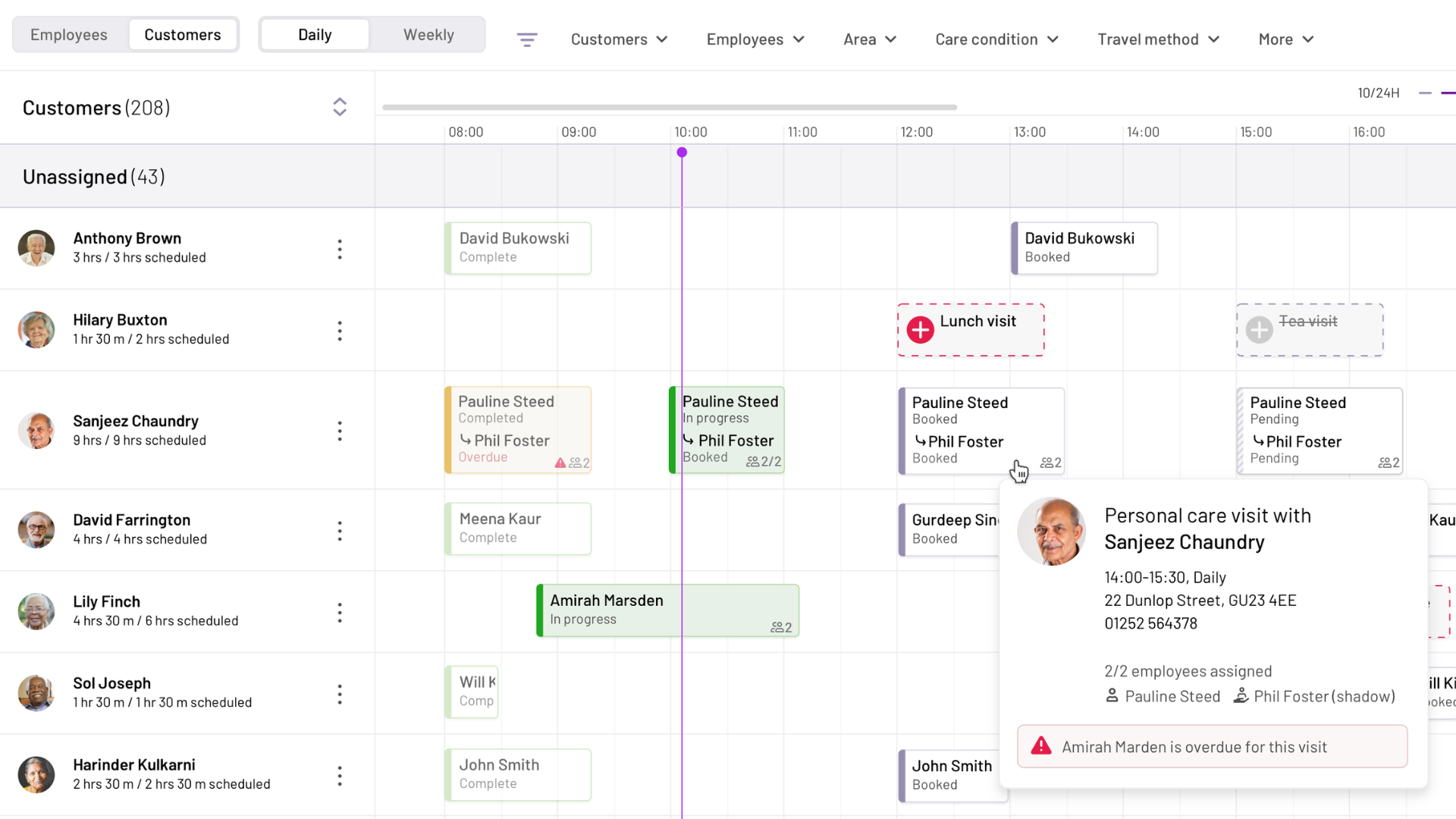
- Tracking care visits in real time, to prove that your team are attending care calls and supporting clients at the right time
- Electronic care notes, so you can show what each care worker has done during a care visit
PASS can help you provide information for audits, inspections and investigations. The care reporting feature allows you to easily export data into reports, so you can spot trends and concerns – or simply see evidence of your outstanding care!
As well as written records, inspectors will also expect to see competent care in person. They’ll shadow some care workers and watch how they support clients.
Additionally, during inspections, they’ll talk to clients and their families, and listen to any concerns that they have. If your care workers are consistently providing competent and appropriate care, inspections will easily demonstrate this.

Barriers to achieving competence in health and social care
Being a care worker is a difficult role. Many people think of it as unskilled work, but experienced care providers know that there is actually a lot of skill involved in providing good care – and lots of barriers that can make it harder, even when care workers are committed to delivering a competent service.
Common barriers to competence in health and social care:
- Staff shortages
- Financial constraints
- Fragmented teams
- Low technological literacy
- Poor leadership
- Incomplete training
Let’s look at these in more detail – and explain how your care service can overcome them.
Staff shortages
The care sector has a high number of vacancies – approximately 111,000 unfilled roles across the country.
If your care service has more clients than your team can safely support, you’ll struggle to provide competent care.
Service users may face delayed or missed care calls, and inexperienced care workers may be asked to help clients with complex needs. Carers might also be tempted to cut corners to save time – for example, lifting a client themselves, rather than using a hoist or waiting for a second carer to help.
The solution: Try to improve your staff retention levels, and make sure that your team have enough time to fulfil care calls in a calm and relaxed manner. Avoid scheduling inexperienced new carers on more complex care visits, unless they’re accompanying a veteran member of staff.

Financial constraints
If your care service is running low on funds, you might struggle to hire more care workers, purchase the necessary equipment, or bring in outside training providers when they’re needed.
Unfortunately, skimping on all of these can impact on the care that your clients receive.
The solution: Unfortunately, there isn’t a miracle cure for financial struggles in the care sector! However, you can attempt to streamline your processes where possible and make savings. For example, the AI-enabled PASS care rostering software can help you optimise your home care schedule, so that your team can avoid unnecessary driving and save both time and money.
Fragmented teams
Care workers need to communicate and share updates about their clients.
For example, if a service user complains of discomfort or displays challenging behaviour, it’s crucial that all of their carers know about this, so they can spot potential health concerns.
In care home and other residential settings, this often be easily arranged at shift changes – stand-up and handover meetings are common. However, in domiciliary care settings, care workers may rarely see their colleagues, and this important handover information can be missed.
The solution: Home care software can help your team stay connected. PASS allows care workers to leave notes and communicate with other members of a client’s support system, whether that’s other carers, relatives, or friends.

Low technological literacy
Care providers are now more likely to use care planning software than paper care plans, and there are lots of advantages to using a digital system.
However, some care workers may be anxious about using computers or tablets, and struggle with digital care management. This might mean that they’re less likely to check care plans, use eMAR systems, or communicate with colleagues using digital solutions.
The solution: Good training can help your team overcome a lot of anxieties about using technology. If you choose PASS care planning software, our Project Management Team will train your team on how to use the web and mobile apps – and they’ll also offer one-to-one training for new users if needed. Their goal is to make sure that your care staff are confident with your care management solution.
Poor leadership
Good management is important for a care service. Managers and supervisors should take responsibility for ensuring that their team can deliver care competently – are they up-to-date with induction and training programmes, do they have enough time to safely provide care during visits, and do they know where to go if they have any concerns?
Care managers are also responsible for making sure that the care service can meet their clients’ needs. For example, if a client needs 24-hour support, stoma care, or communicates using Makaton, does the service have the staff who can meet this need?
Poor leaders don’t take these concerns into account when onboarding new care workers or assessing new clients.
The solution: It isn’t always easy to solve the problem of poor leadership – especially in small independent care services. However, every member of the care team has a responsibility to make sure that the service is working well.
Supervisors, team leaders, and care workers should all know how to whistleblow if they have concerns. If you’re a manager or director, make sure that you’re regularly auditing the work of your care supervisors, so you can take action if you notice issues.
Incomplete training
Training is a key part of making sure that your team provide a competent service. Regular training is a legal requirement for a reason: it ensures that care workers know how to carry out their jobs safely, without injuring their clients or themselves.
However, in a busy care service, it can be difficult to keep track of each team member’s training schedule. Some carers may miss crucial refresher sessions – or even parts of their induction. This can lead to gaps in their knowledge, putting themselves and their clients at risk.
The solution: Care management software like PASS can help you keep track of your team’s training. You can set up reminders so that you know when carers need refresher courses, and create custom checklists to make sure that your new starters complete a full induction programme.

Competence in health and social care
Competence is one of the most important values for care services. Your clients deserve safe, competent and appropriate care at all times.
However, it’s not enough to simply provide competent care. You and your care team need to evidence that you’re doing it, too.
You’ll need these records for internal audits, investigations, and CQC inspections. This is where PASS care management software can help you.
Keep comprehensive records of your team’s training, details of every care visit, and notes about every instance of medication administration, so that you have evidence of the excellent care that your team provide.
Book a free tour
Evidence competence across your care team
Keep training records, care plans, visit information, and care notes in one place so you can demonstrate safe, effective care with confidence.