Do you know if your clients are at risk of malnutrition? It can sometimes be hard to spot, but the MUST score calculator can help you identify whether a service user is malnourished or at risk of malnutrition.
As a care provider, you should assess your clients regularly to make sure they’re getting adequate nutrition. Frequent screening can help you identify issues before a client becomes seriously ill.
Our online MUST calculator can help you work out BMI, track changes in your clients’ weight, and respond quickly to concerns.
We’ll also explain more about what a MUST score is, and how to use the MUST calculator. As well, we’ll talk about malnutrition – and how you can avoid it.
Table of Contents
What is a MUST score?
The Malnutrition Universal Screening Tool, or MUST, allows you to identify clients who are malnourished or at risk of malnutrition.
It asks questions about a service user’s height and weight, so that you can establish their BMI (Body Mass Index). You’ll be asked about changes in their weight, and serious health conditions. The MUST calculator will then give you a score, which will tell you whether your client is at low risk of malnutrition, moderate risk, or high risk.
The tool was developed by the Malnutrition Advisory Group, part of the British Association for Parenteral and Enteral Nutrition (BAPEN), in 2003. It’s regularly used by health and social care professionals to establish whether individuals are getting adequate nutrition.
You might also hear the screening tool referred to as a BMI MUST score calculator, or the BAPEN MUST calculator.
Book a free tour
Spot malnutrition risk early with PASS
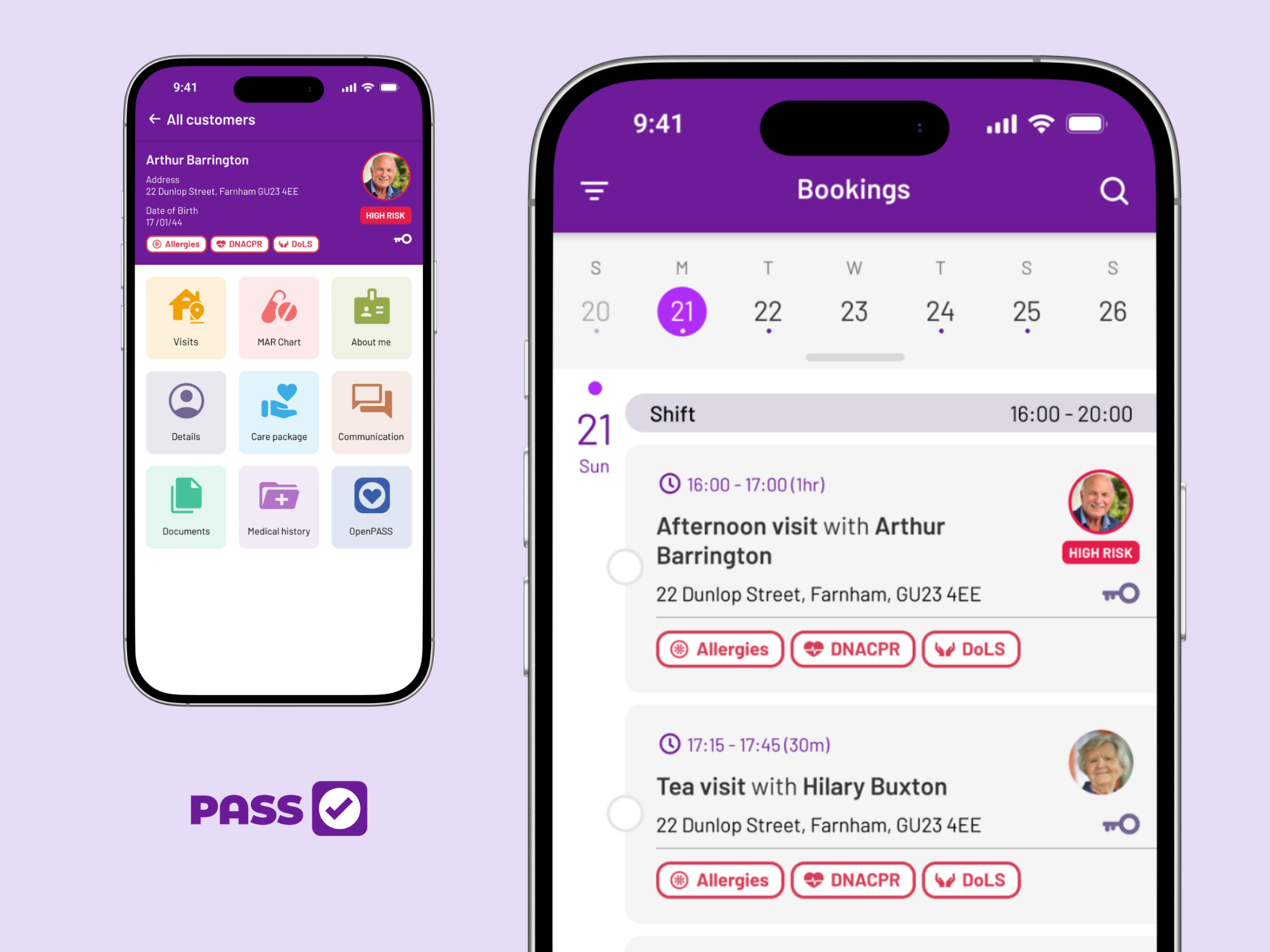
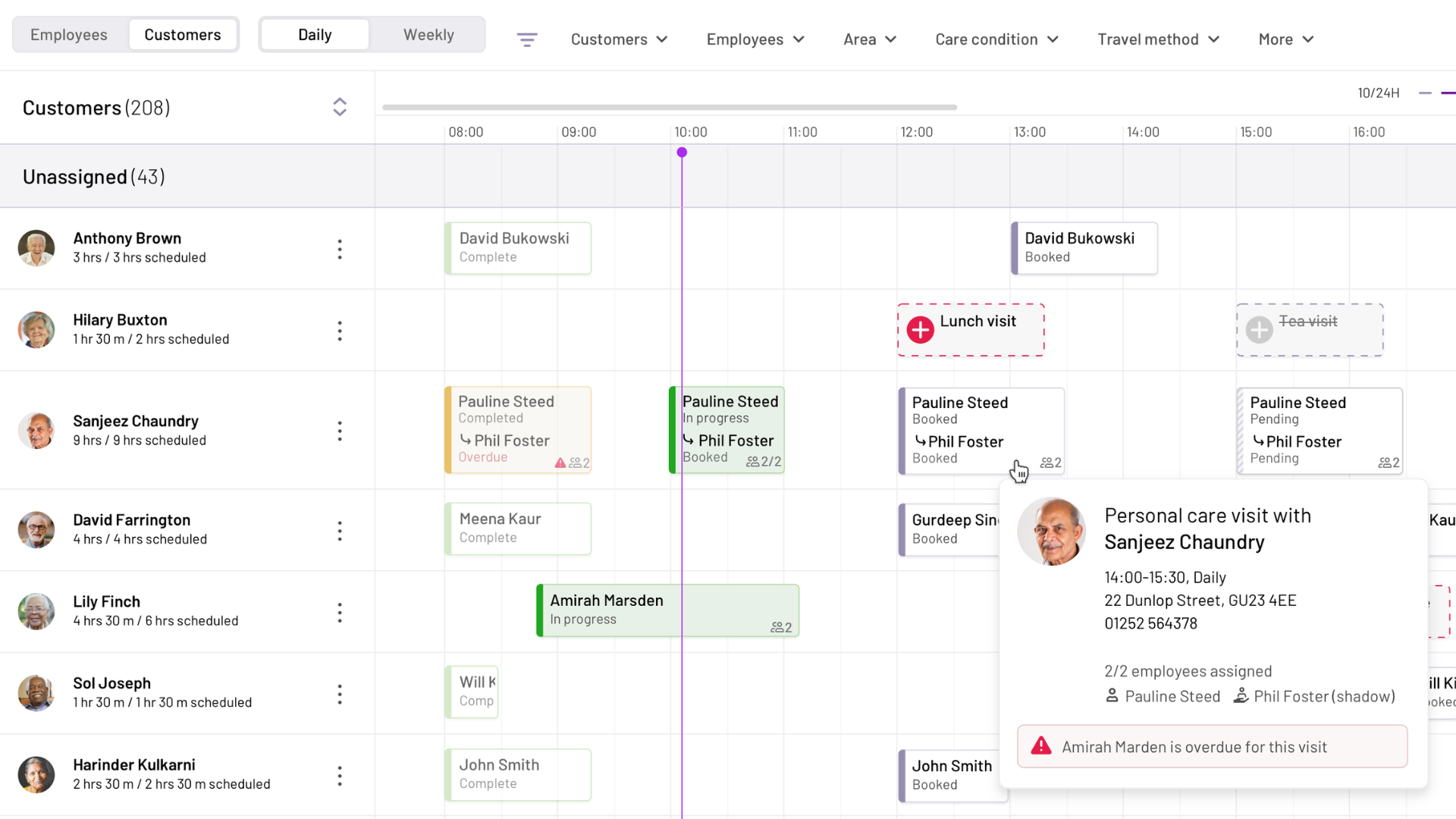
PASS makes MUST scoring quick and consistent. Calculate scores in seconds, record outcomes clearly, and keep a full audit trail in one place. No spreadsheets or paper checks. Just accurate assessments, ready for review whenever you need them.

Time constraints
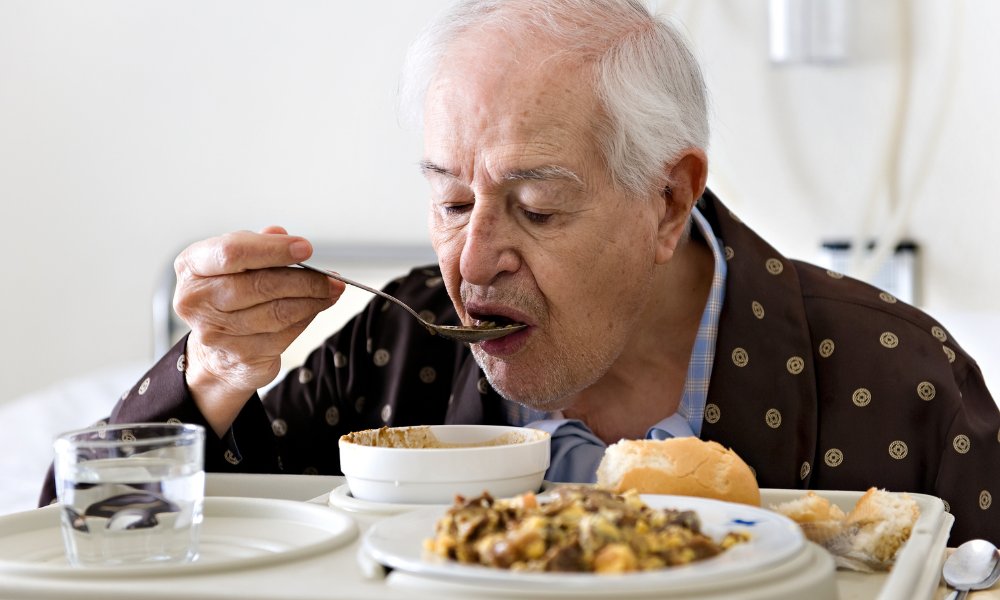
Malnutrition is a potentially serious condition that occurs when someone’s diet doesn’t contain enough nutrients. It can be caused by someone not eating enough – but it can also happen when someone’s body can’t absorb certain nutrients in their food.
All care workers should be aware of the signs of malnutrition.
Symptoms of malnutrition can include:
- Low body weight or weight loss
- Not being interested in eating or drinking
- Feeling very tired
- Feeling cold
- Having poor concentration
- Getting ill very often
- Taking a long time to recover from illnesses
If you support a baby or child with malnutrition, you might also notice that they aren’t growing at the expected rate.
Worried that you won’t notice when your client shows signs of malnutrition? If a service user sees multiple carers each day, it’s easy to miss issues like a reduced appetite. Care management software can help you record worrying signs, such as refusing meals, so you can spot the red flags before the service user becomes seriously ill.
Malnutrition can stop the body working correctly. It increases the risk of falls and serious injuries, and can cause problems with the heart, kidneys, eyes, and immune system. In extreme cases, it can even be fatal.
Who is most at risk of malnutrition?
Anyone can be malnourished. However, it’s more common in certain groups of people, including:
- People over 65
- People who have trouble swallowing (also known as dysphagia)
- People with digestive conditions, such as coeliac or Crohn’s disease
- People with mobility issues
- People who are recovering from an illness or injury
- People living with eating disorders
- People who use extra energy in their daily life, such as those with tremors or cystic fibrosis
Some people might also become malnourished if they are depressed or after a bereavement, when the thought of preparing and eating food seems too difficult. Others might be malnourished if they’re on a fixed income and can’t afford to buy enough suitable food.
If any of these apply to your clients, use your care planning software to note their increased risk of malnutrition. You might need to assess their MUST score more often, or encourage them to talk to their healthcare team about how to improve their nutrition.
How to use a MUST score calculator
Using the MUST score calculator can help you spot the warning signs of malnutrition before your client becomes seriously ill.
There are two ways you can assess your client’s risk of malnutrition with a MUST score calculator app: either using objective measurements of their height and weight, or, if you can’t use accurate measurements, giving subjective observations.
Once you’ve worked out the service user’s score, you’ll know whether their risk of malnutrition is low, moderate or high – and you can make plans to support them.
Let’s talk more about the different ways to calculate an individual’s risk of malnutrition.
Using objective measurements
It’s simple to use a MUST calculator for a client. Before you start, you should know their current height and weight, as well as how much they weighed three to six months ago.
How to use the MUST calculator:
- Enter your client’s current weight and height.
- If their BMI is more than 20, score 0.
- If their BMI is between 18.5 and 20, score 1.
- If their BMI is below 18, score 2.
- Enter your client’s weight from three to six months ago. If there has been any weight loss, consider whether it was planned or unplanned.
- If they have lost less than 5% of their body weight, score 0.
- If they have lost between 5-10% of their body weight, score 1.
- If they have lost more than 10% of their body weight, score 2.
- Note whether your client is acutely ill and has had no nutritional intake for five days or more – for example, do they have trouble swallowing, or have they recently had gastrointestinal surgery? In most circumstances, this is unlikely to be the case outside of a hospital setting.
- If this is the case, score 2.
A score of 0 means your client is at low risk of malnutrition. A score of 1 gives a moderate risk. A score of 2 or higher means that they are at high risk.
Using subjective observations
If you are unable to measure a client’s height or weight, you can estimate their BMI using their mid upper arm circumference.
How to estimate a client’s mid upper arm circumference:
- Ask your client to hold their left arm by their side, and bend it at the elbow. Measure the length from the shoulder to the elbow, and mark the midpoint.
- Using this point, measure the circumference of the arm.
- If the circumference is less than 5 cm, your client’s BMI is probably under 20 (healthy weight or underweight).
- If the circumference is more than 32.0 cm, your client’s BMI is probably over 30 (obese).
Once you’ve estimated your client’s BMI, you’ll need to ask the following questions:
- Has the client had any unplanned weight loss recently? Consider whether clothes or jewellery fit more loosely, if they have had a decrease in appetite, difficulty swallowing, or mobility difficulties making it harder for them to prepare food.
- Is your client acutely ill and has had no nutritional intake for five days or more? (This is unlikely to occur outside of a hospital setting.)
Using your answers to these questions, as well as your own observations about the client’s BMI, you can work out your client’s risk for malnutrition.
How often should I use a MUST calculator for my clients?
You should use the MUST calculator to assess clients on a regular basis. When you begin delivering care to a new client, checking their risk of malnutrition can be an important part of the initial planning and risk assessment process.
We’d recommend repeat screening as follows:
- Hospital inpatients: weekly
- Care home residents: monthly
- Clients receiving domiciliary care: monthly
- People over 75, living in the community with low or no care needs: annually
Depending on your client’s circumstances and health conditions, you may need to assess them more often. For example, your organisation’s policies might suggest screening clients when they’re discharged from hospital, or after a certain number of food refusals.
What should I do if a client is malnourished or at risk of malnutrition?
If your client is showing signs of malnutrition, take action quickly.
Talk to them about your concerns, and encourage them to talk to their GP. Malnutrition can lead to serious health concerns – and it can sometimes be a symptom of other conditions, such as coeliac disease.
Your client’s GP may want to refer them to a dietitian or the local Nutritional Support Team. They might also arrange for some blood tests or scans to rule out other health conditions.
If a client is at risk of malnutrition but isn’t currently malnourished, document their food intake for a few days.
This may be easy if you work in residential care, but more difficult for domiciliary care clients, especially if they have multiple carers. Home care software can help you track what happens during care visits – and, using PASS, you can even communicate with a client’s friends and family, so they can contribute to the nutrition diary.
After three or four days, you should have enough information to decide on your next steps.
- If your client is showing signs of malnutrition because they aren’t eating enough, support them to improve their food intake. This could involve helping them buy and prepare food, asking
- If your client is showing signs of malnutrition and losing weight but their food intake is adequate, encourage them to talk to their GP. This could be a sign of underlying health conditions, such as Crohn’s or coeliac disease.
Reducing the risk of malnutrition

As a care provider, you might be able to reduce your clients’ risk of malnutrition before it becomes a concern.
You’ll need to make sure that they have access to suitable food and drink, and that they can eat it without pain.
How to reduce the risk of malnutrition in clients:
- Make sure that your client is able to buy and prepare food, or support them to do this. If they need extra help with food preparation, make sure it’s included in their care plan.
- Encourage domiciliary care clients to use meal delivery services, ready meals, and frozen food to cut down on preparation.
- Check that your client is able to feed themselves. If they need support with feeding, make sure it’s included in their care plan.
- Encourage your client to clean their teeth twice a day, and offer support if necessary. Make sure they visit the dentist regularly, and get help with any dental issues.
- If your client wears dentures, make sure they fit well and don’t cause any pain.
- Encourage your client to drink plenty throughout the day. Leave cups where they can easily reach them, even if they’re alone.
- Include at least one source of protein in every meal.
- With your client’s permission, substitute fat-free dairy products with full-fat versions. Look for other foods that are fortified with extra nutrients, as well.
- If your client struggles to finish a full meal, give them smaller meals throughout the day.
- Offer drinks with lots of calories, like meal replacement drinks, smoothies, and milkshakes.
- If you notice signs of malnutrition, encourage your client to seek help immediately.
Conclusion: the Malnutrition Universal Screening Tool
Malnutrition can be a very serious condition. As a care provider, it’s important to notice the signs and act quickly to support your clients.
The MUST calculator can help you assess an individual’s risk of malnutrition, so you can come up with an action plan to keep them safe and healthy.
Book a free tour
Make MUST scoring simple and reliable
See how PASS helps you calculate MUST scores quickly, track changes over time, and evidence every decision with clear, accurate records, so nothing gets missed and your team stays confident in every assessment.