What activities are good for people with dementia? When you’re a care worker, you might feel overwhelmed at the thought of keeping your clients entertained – especially if they live alone, or struggle with memory and communication.
However, it’s important for people with dementia to stay active. It can improve mood and wellbeing, and possibly even slow cognitive decline.
We’ve put together a list of good activities for people with dementia, and we’ll also share a few tips for helping clients during the summer, so you can prepare for the warmer weather.
Whether you’re looking for activities for people with dementia in care homes, or you provide domiciliary care, these ideas should help your clients enjoy themselves.

Table of Contents
What activities are good for people with dementia?
Activities for people with dementia should focus on enjoyment, and keep frustration to a minimum. Think simple jigsaw puzzles rather than cryptic crosswords!
Lots of people with dementia enjoy reminiscence work, music, art, or spending time with animals. It’s always good to encourage socialising and gentle exercise, too.
Be prepared to move on from activities if a client loses interest. Watch for signs of challenging behaviour, and be patient with service users – even if they’ve tried this activity before, they may not remember what to do, and need extra support.
It’s important to consider your client’s own likes and dislikes. What did they enjoy before their diagnosis?
Good assessments and care planning can help you choose the right activities for your clients. During the assessment process, make sure you ask about their interests and hobbies. Use care planning software to record this information, so your client’s carers can all understand what’s important to them. This is especially important for clients who have communication difficulties.
Book a free tour
Plan meaningful dementia activities with confidence
PASS helps you organise, record and review activities in one place. Keep track of what each person enjoys, log engagement and outcomes, and build a clear picture over time. No paper notes or guesswork. Just consistent, person-centred care you can evidence whenever you need it.

1. Helping with housework
Clients may enjoy helping care workers or family members with simple housekeeping tasks. This could include:
- Folding laundry
- Dusting
- Setting the table
- Doing the washing up
It’s easier for home care clients to help with housekeeping, but if you support residents in a care home, they can still get involved. They might like to dust their own room, put away their own clean laundry, or help kitchen staff by clearing away plates after meals.
Make sure that your clients don’t have access to bleach or other cleaning chemicals. Avoid letting them take on tasks like cleaning bathrooms or heavy vacuuming, too.
2. Reminiscence activities
Lots of people with dementia enjoy reminiscing. For many people with dementia, stories from the past might be easier to remember than something that happened earlier that day.
Reminiscence can be calming for clients, and can potentially help slow cognitive decline.
If you work in a care home, you could set up a reminiscence group for residents. Even if you support clients in their own homes, you can take the time to talk to them about the past and ask them to share stories.
Good reminiscence activities for people with dementia include:
- Sharing stories from their youth
- Looking through old photo albums
- Listening to music from the past
- Watching videos of historic events, like the moon landing

3. Arts and crafts
Your client might enjoy taking an art class, or simply painting or drawing at home. They don’t need to be a great artist; it’s enough to just have fun.
Some people find art therapy helpful. It’s been shown to reduce anxiety and provide cognitive stimulation – and it’s even linked to improved fine motor skills, lower blood pressure, and lower reported pain levels.
4. Singing
Singing can reduce anxiety, increase relaxation, and potentially improve cognitive function.
Even people who can no longer speak often enjoy humming or singing along with favourite songs.
Your client could join a choir, or you could sing with them in their own home or bedroom. Look for songs from their youth or music that means a lot to them, such as hymns or lullabies.
The Alzheimer’s Society runs Singing for the Brain groups, designed for people living with dementia. However, your clients don’t have to look for dementia groups specifically – they could consider joining their local church choir, taking singing lessons, or even setting up their own group in their care home.

5. Spending time with animals
Research shows that interacting with animals can people feel less isolated, and improve mood and wellbeing. Animals can even help reduce stress and lower blood pressure.
You could invite therapy animals to visit your client at home. Depending on their interests, they might like to go to local zoos, farms, or aquariums – or even simply visit a loved one with a friendly pet.
6. Exercise
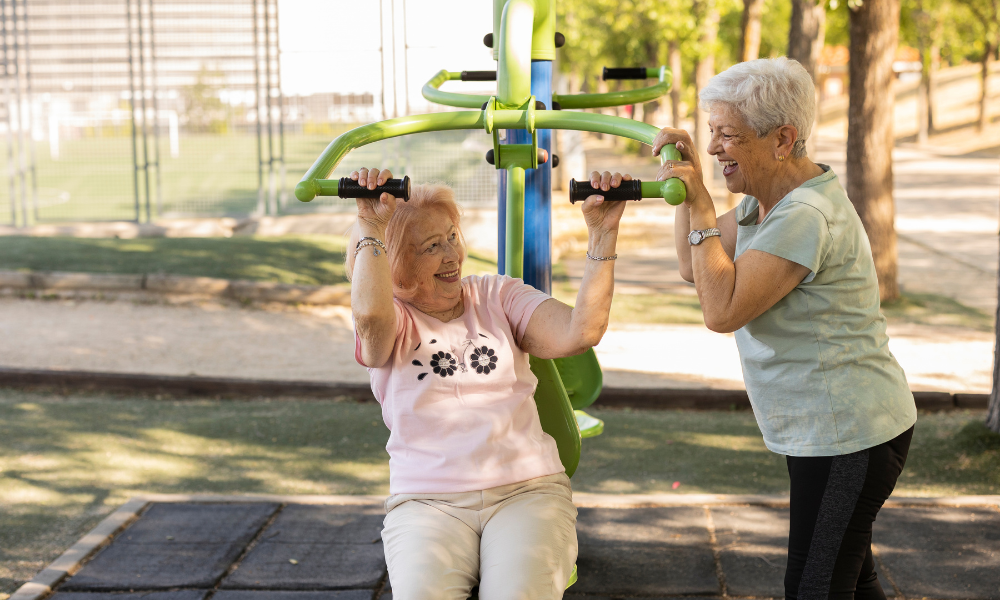
Exercise is good for everyone, including people with dementia. Your clients will probably benefit from staying active, especially if they enjoyed sports before their diagnosis.
Sports and exercise sessions are also a great way for your clients to socialise. Whether they’re chatting to other residents from their care home, or meeting new people, spending time with others can help reduce isolation and loneliness.
Lots of people with dementia don’t have any mobility issues, and might enjoy exercise classes, team sports, or individual activities like swimming or golf.
For clients who are frailer, there are lots of more gentle exercise options, too. They could try tai chi, chair yoga, or walking football.
If your client has a long-term health condition or is very frail, encourage them to talk to their doctor before starting a new exercise plan.
7. Puzzles
Puzzles can help keep your client’s mind active. They’re a good activity for people with dementia who also have mobility issues or those who get tired easily. You don’t need to be physically active to complete a puzzle.
People with dementia might enjoy:
- Jigsaw puzzles
- Suduko
- Crosswords
- Word searches
They may also enjoy simple games like Snakes and Ladders, Scrabble, or Hangman.
8. Safe cooking activities
Cooking can be a great way to connect with clients. They might like to share their own special recipes with you, or you could look for simple meals to try out together.
Even people with advanced dementia might be able to manage recipes like cornflake cakes, angel delight, or simple baguette pizzas.
Remember to consider food allergies and restricted diets when planning cooking activities.

9. Social groups
People with dementia are at a higher risk of isolation.
You could research local social groups and help your client attend them.
What’s on offer will vary depending on location, but you might be able to find dementia support groups, church or community centre coffee mornings, or social clubs at your local library. Ask other local care workers or look on social media pages to find out what’s available near you.
If your client is anxious about leaving their home, or doesn’t want to meet new people, it’s still important for them to socialise. Make sure you’re spending time with them and providing companionship as well as just personal care and housekeeping. This is especially important for domiciliary care clients who live alone.
Worries that a client might be feeling lonely or isolated? Record your concerns and any changes in behaviour in your home care software, so you can spot trends and support your client.
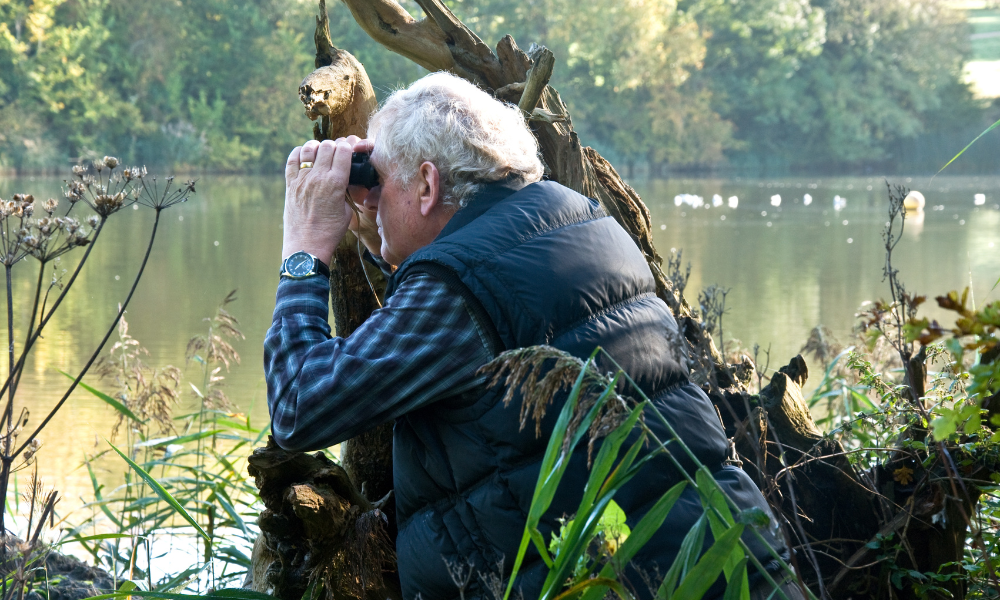
10. Bird-watching
Bird-watching is a fun and accessible hobby for people of all ages and cognitive abilities. Even if your clients can’t leave their room, they can watch for birds outside their window.
Some people might like to keep a written diary of birds they’ve seen, or take pictures of wildlife outside. However, lots of people enjoy just watching and feeding birds in their garden.
Bonus: Summer activities for people living with dementia
As we get closer to summer, you might be looking for activities for your clients during the warmer months. When the weather is nice, they might enjoy some gentle outdoor activities, like gardening or nature walks.
However, if the temperatures soar up into the 30s (or above!), make sure to keep your clients cool indoors, for their own safety.
Older people and those with long-term health conditions are at a higher risk of sunstroke. Lots of medications can make it harder to regulate body temperature. If your client takes certain blood pressure medication or diuretics, for example, they may not be able to sweat as much, or suffer from low blood pressure in the heat.
Also, people with dementia might not notice that they’re getting very hot, or they might forget to drink enough water. They might spend more time in the sun than is safe.
If your clients are outside in the sun, make sure that they’re safe. Support them to wear sun cream, sunglasses, and sunhats. Encourage them to stay hydrated, and make sure they stay in the shade where possible.
As a care provider, you can help your clients take part in safe summer activities for people living with dementia, like gardening, nature walks, and picnics.
Gardening
Depending on the weather, your clients might be able to do some gardening year-round. However, spending time in the garden is an ideal activity for the warmer summer months.
Care home residents often enjoy planting and caring for a garden. Consider installing raised beds, accessible walkways, and plenty of seating areas. Avoid plants with thorns or sharp leaves, and plants that are poisonous, too.

Nature walks
Nature walks are a great activity for people with dementia any time of year, but they’re especially enjoyable during the warmer summer months.
Plan short walks around your local area, and make sure they’re suitable for your client. Consider whether they’re wheelchair accessible, or if there are benches in case your client needs a rest.
You don’t need to travel far – your client might be pleased with a simple lap around the garden or a short stroll down the street.
Picnics
Your clients might like to help prepare the picnic food, or simply enjoy a meal in the sun.
You don’t have to travel far for a picnic, either. You could go to a local park or beach, but lots of people enjoy a picnic in their own garden just as much!
Remember to consider your clients’ mobility – they may need to sit in chairs, rather than on a picnic blanket, for example.

Conclusion: What are good activities for people with dementia?
You should encourage clients with dementia to take part in a variety of activities. It’s important for them to keep their minds and bodies active.
Good activities for people with dementia are often relaxing, with little pressure. They might involve repetitive actions, or memories from the past. Singing, folding laundry, and doing simple arts and crafts are all great ideas.
However, you should consider your client’s preferences. Find out what they enjoy, and support them to indulge their hobbies and interests – this is key to providing great, person-centred care.
Book a free tour
Make dementia activities easier to plan and track
See how PASS helps you record what works, track engagement over time, and keep clear records of every activity, so your team can deliver more personalised care with confidence.