Most care agencies use care planning software nowadays. But what is the best care planning software in 2026? Does your solution still work for you, or is it time to switch to something new?
In this guide, we’ll go back to basics and explain exactly what care planning software is, what you should look for, and rank the best care planning software for 2026.
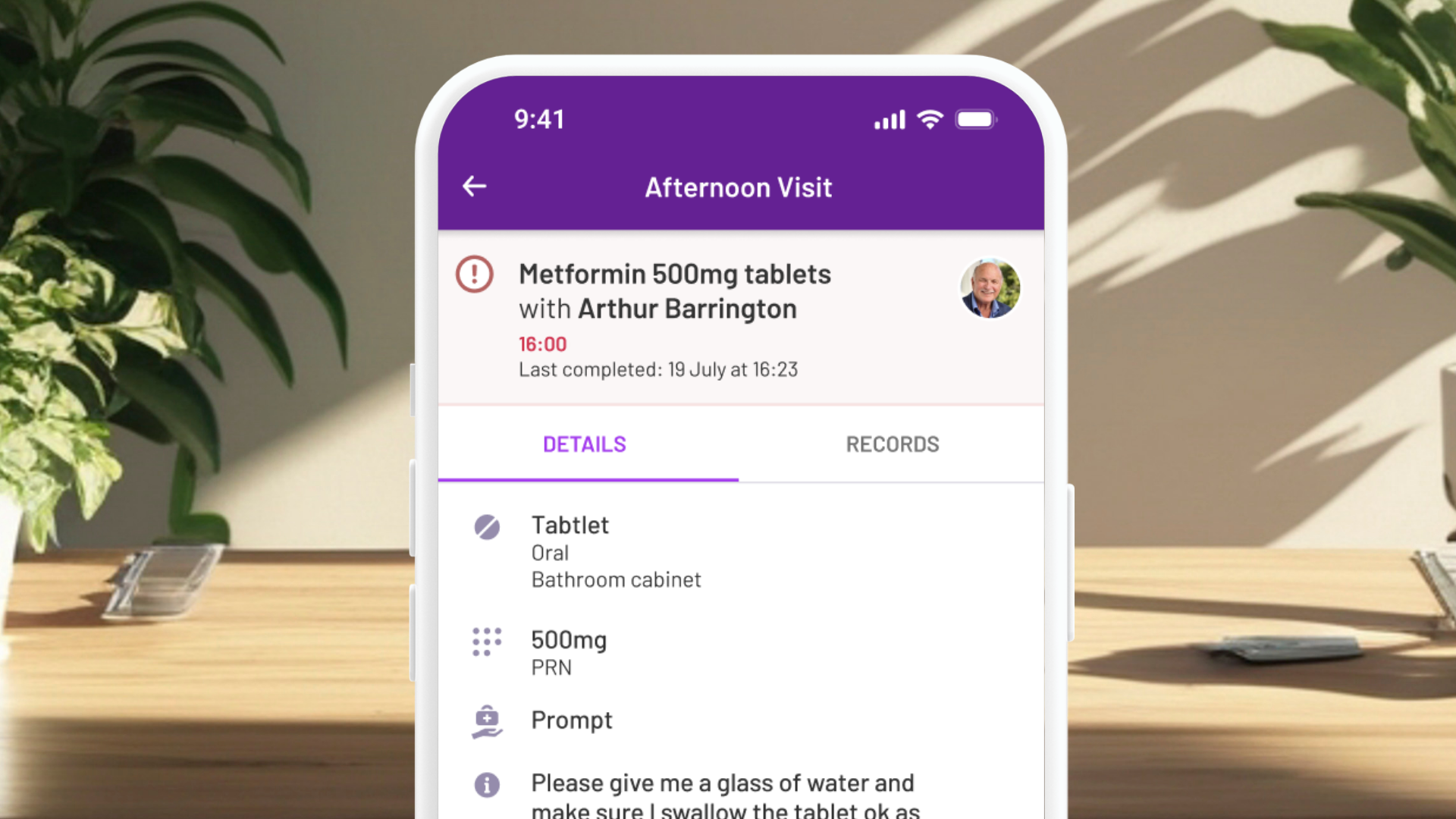
Table of Contents
What is care planning software?
Care planning software is a digital solution that lets you create and access care plans, without needing to use paper care plans.
It’s more secure than traditional paper care plans, often requiring passcodes or biometric data, so that only authorised users can have access.
There are other advantages to care planning software, too. It’s often quicker to use, simpler to store, and means that care workers don’t have to struggle to read untidy handwriting. It even makes it easier for audits and inspections, as every entry is dated and time-stamped.
In 2026, most support workers access care planning software on their phones or tablets.
More and more care organisations are choosing to use care planning software. Moving to new digital systems can be daunting for many care workers, but good care management software organisations will often provide training to make the transition easier.
Book a free tour
Choose care planning software you can trust
The wrong system costs time and creates stress. PASS brings care planning, rostering, and notes into one place so you can see what is happening and stay in control. Book a free tour to see how it works.
Is there an alternative to care planning software?
If you don’t want to use care planning software, there’s still that old standby: paper care plans. Some organisations still prefer paper care plans, because they’re cheaper and staff don’t have to learn how to use new technology.
However, there are some disadvantages to paper care plans.
The problems with paper care plans include:
- Security: If you leave a paper care plan lying around, anyone can read it.
- Accessibility: When you use paper care plans, you only have one copy of each plan. This means that only one person can access it at any time. So, if a care supervisor needs to check details while a support worker is delivering care, they’ll have to wait.
- Risk of loss: Paper care plans are easy to lose – either when they’re being taken from the care office to a client’s home or room, or in disaster situations like fires or floods.
- Legibility: If your care plans are handwritten, care workers might find it hard to read the handwriting – potentially leading to mistakes when delivering care.
- Storage: Paper care plans need to be securely stored somewhere. Most care offices have rows of filing cabinets used for this purpose, but if your care service has been running for a few years, you might find that you’re running low on storage space.
What should I look for in care planning software in 2026?
Whether you’re new to digital care planning solutions, or you want to try a new system, you’ll want to know what’s out there.
What should you be looking for – and have there been any advances in the technology since you last researched care planning software?
You should make sure that you pick a solution that works best for your care service. For example, if you support clients in their own homes, check that the provider offers home care software – after all, domiciliary care can be significantly different to residential care. If you’re a small care service but hope to expand, ensure that any digital solution can scale up as your organisation grows.
In 2026, you can expect the best care planning software to do the following:
- Be secure: This is arguably the most important requirement for any digital care planning solution. Your care planning software should be safely stored, complying with GDPR and NHS Digital requirements. Your clients should feel confident that their personal information is kept private.
- Integrate risk assessments and medication guidance: You don’t want care planning software to simply create and store your care plans. Ideally, it will work seamlessly with the rest of your care management software, as one complete solution. You want access to your risk assessments, eMAR systems, and other critical documents about your clients.
- Flag issues for you: Some care planning software can recognise trends and patterns in your clients’ wellbeing, and highlight potential issues before they have an impact.
- Include voice to text: Sometimes, your care team will find it easier to dictate their notes. Look for digital solutions that can handle this.
- Manage your data migration: If you’re moving from another care planning system, the transition can take time. Some digital care planning systems will help arrange your data migration – saving your team time and reducing the risk of downtime.
- Be reliable: You want to make sure that your care planning software is always accessible. Does your chosen software have a good track record? Additionally, if you’re a home care agency and your team regularly travel to places without mobile reception, how will your care planning software handle this?
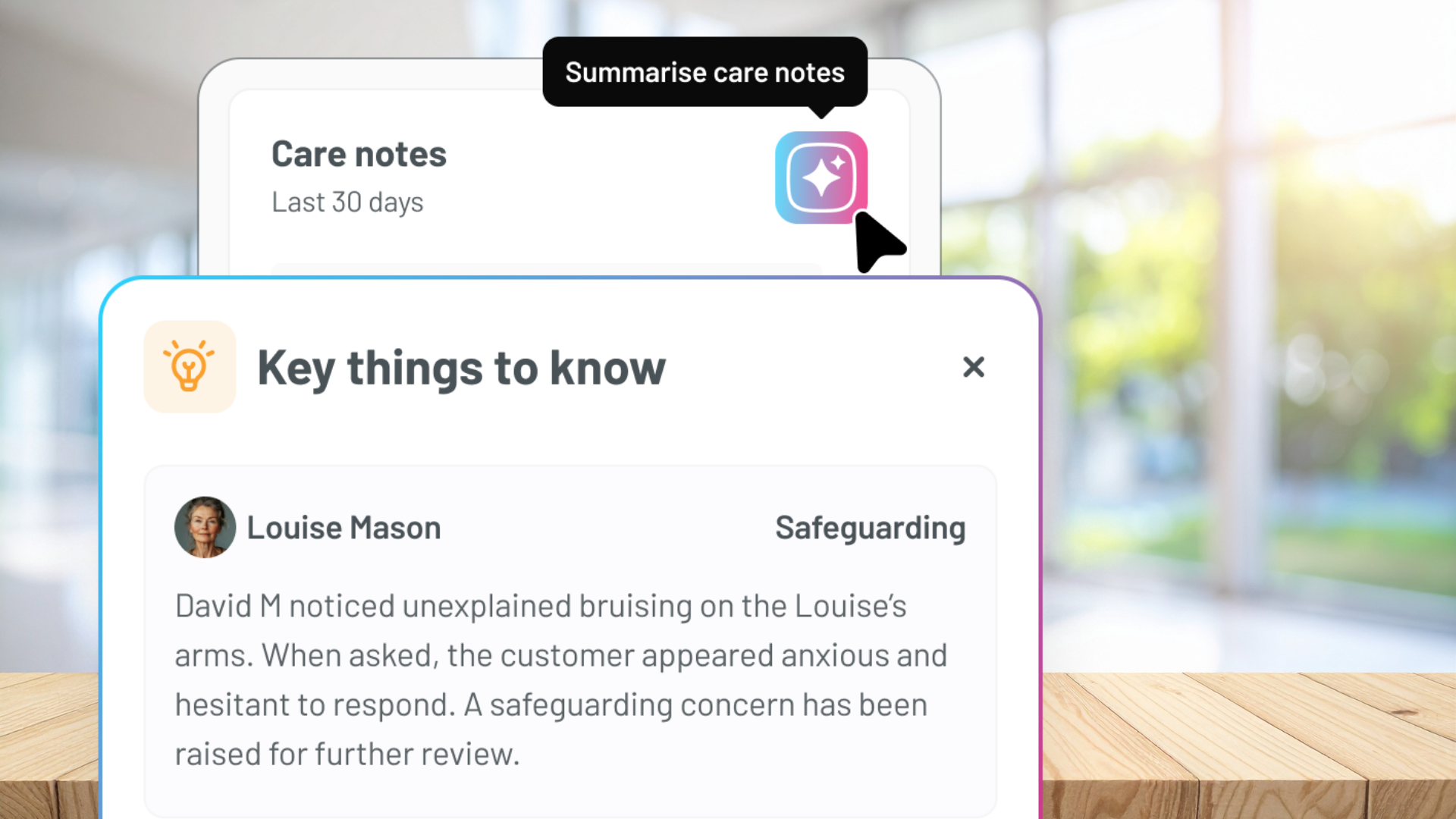
The biggest change in recent years is the use of AI in care planning software. It can summarise longer documents, and, most importantly, help you spot changes and trends in client behaviour or needs, so you can take action.
AI-enhanced systems can also send reminders when you need to update care plans, or even alert care managers if a care visit is delayed or overdue.
The best care planning software in 2026, ranked
There’s a lot of digital care planning systems in the UK – and it can feel overwhelming to decide between them. We’ve looked at eight of the most popular care planning software currently available and compared them, so you can make an informed decision.
Let’s look at them all in more detail.
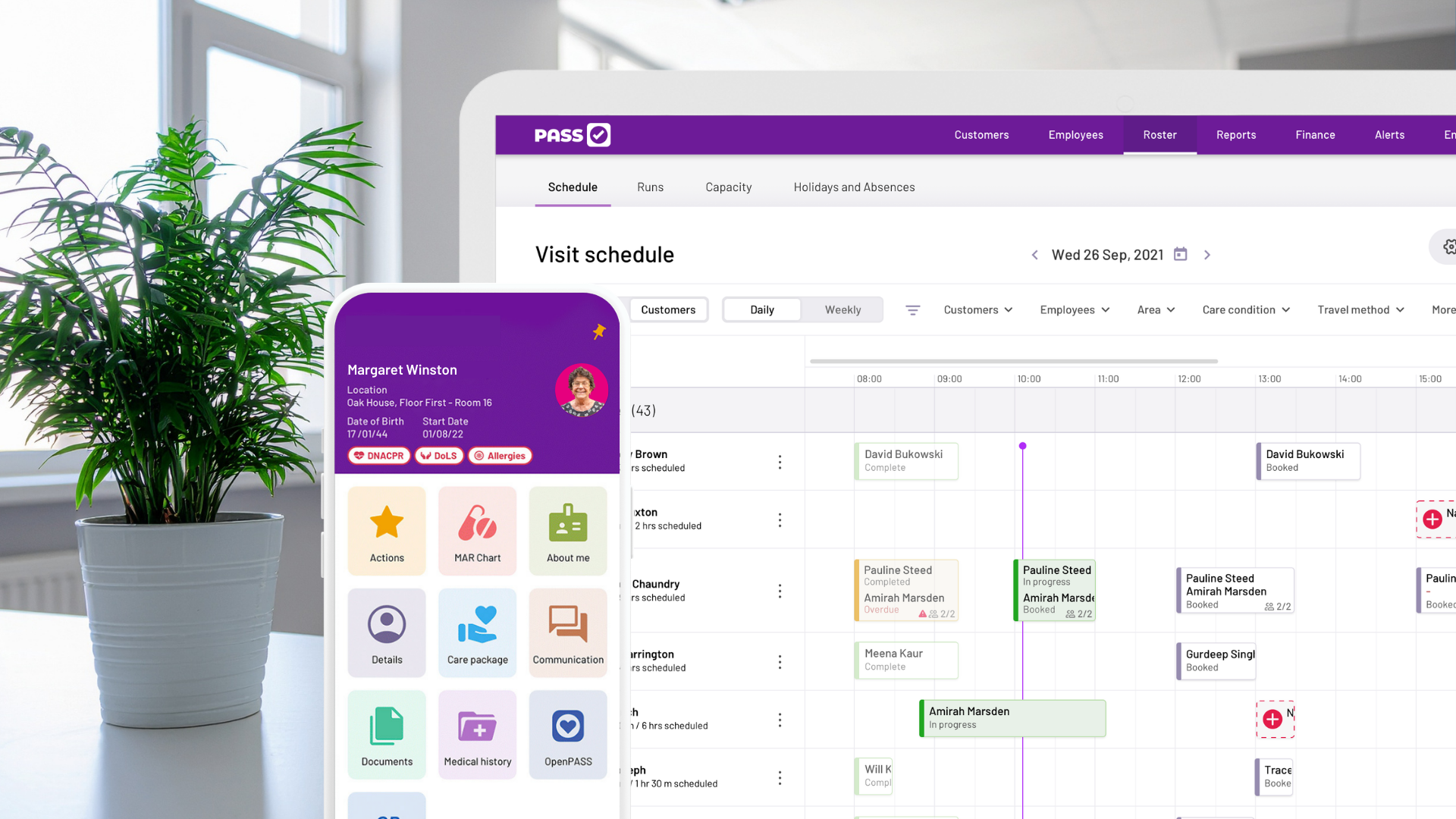
1. PASS by everyLIFE
Our top recommendation is PASS by everyLIFE. This care planning software is available for both domiciliary care and supported living, and has an offline mode for times when you can’t guarantee internet access.
Its integrated AI lets you summarise care notes in seconds, and even flags up potentially worrying trends, so you can provide tailored, person-centred care to clients who need it. It includes rostering, eMAR, and GP connect features as standard.
Additionally, PASS has 24/7 UK-based customer support, and provides training and migration support to care teams across the country.
PASS meets all 14 NHS Digital Social Care Records Standards, and is our top choice for easy and compliant care planning.
At a glance:
- Available for domiciliary care
- AI-assisted, all-in-one solution
- 24-hour customer support
- Offline mode available
2. Log My Care
Log My Care provides care management software for care homes. You can use it offline, and it lets you communicate with a client’s family and friends. In addition to care planning solutions, it also includes rostering and eMAR systems – although you’ll have to pay extra for these features.
At a glance:
- Extra cost for some features
- Available for residential and domiciliary care
- Offline mode available
3. CareDocs
CareDocs is a care planning tool made specially for the needs of care homes. It also offers staff and business management features, such as timesheets, training logs, and to-do lists.
At a glance:
- Generates care plans for care homes
- Includes other care and business management features
4. OneTouch
OneTouch’s care planning software includes family and friends access, eMAR systems, and rostering software. However, it does require internet access at all times, and doesn’t have 24-hour customer support.
At a glance:
- No offline mode
- No 24-hour customer support
- Available for residential and domiciliary care
5. CareLineLive
CareLineLive’s care planning solution requires internet access at all times. Their software includes payroll and invoicing solutions, so it can work as an all-in-one system.
At a glance:
- Requires internet access
- Can provide handsets for your staff team
- For home care agencies only
6. Nourish
Nourish Better Care and Nourish Better Care at Home are separate care planning apps for residential facilities and domiciliary care organisations.
At a glance:
- Separate apps for residential and domiciliary care
- Extra cost for some features
- Offline access available
7. Access
Access provides care planning software for care homes and domiciliary care agencies. If you’re looking for a complete care management solution, Access can offer additional features like eMAR and rostering software, although these come at an extra cost. There’s no way to communicate with family and friends using the app, and they don’t offer 24-hour customer support.
At a glance:
- No 24-hour customer support
- Extra cost for some features
- Available for domiciliary and residential care
What should I consider before investing in care planning software in 2026?
Before you invest in new care planning software, you need to make sure that your organisation is ready for it. Is this the right time of year for you, and do you need to do anything to prepare?
Ask yourself these questions:
- Does this software meet all of our needs? Look at your care service’s needs, and consider how you will expand and change over the next few years. Make sure that this software is compliant with GDPR, NHS Digital Social Care Records Standards, and other standards in your area.
- Do I know exactly how much this will cost? Before you agree to any new software, you want to know how much it will cost. Make sure that you ask about unexpected extra charges, annual price increases, and penalty fees if you break your contract early.
- How will we handle technical issues, adding new starters, and other potential problems? Make sure that your chosen solution has a good customer support team. After all, you need to have 24/7 access to your care planning software, and a smooth onboarding process for new starters. Can your chosen solution handle this?
- Have I checked reviews and testimonials from current users? Ask to talk to care services who currently use the software.
- Do our care workers all have access to compatible phones or tablets? You may need to provide company-owned devices for your staff team.
- When is the best time for migration and training? Some times of year are busier or more short-staffed than others – make sure that you’re not arranging your training sessions for a week when half your team are on holiday!

Conclusion: The best care planning software 2026
Now you know what to look for in your care planning software, it’s time to make enquiries. The team at PASS are ready to discuss your needs and answer your questions – so you can take the next steps in providing great care!
Book a free tour
Find the right care planning system, without the guesswork
See how PASS helps you compare, plan, and choose a system that actually works for your team, your clients, and your day-to-day care.