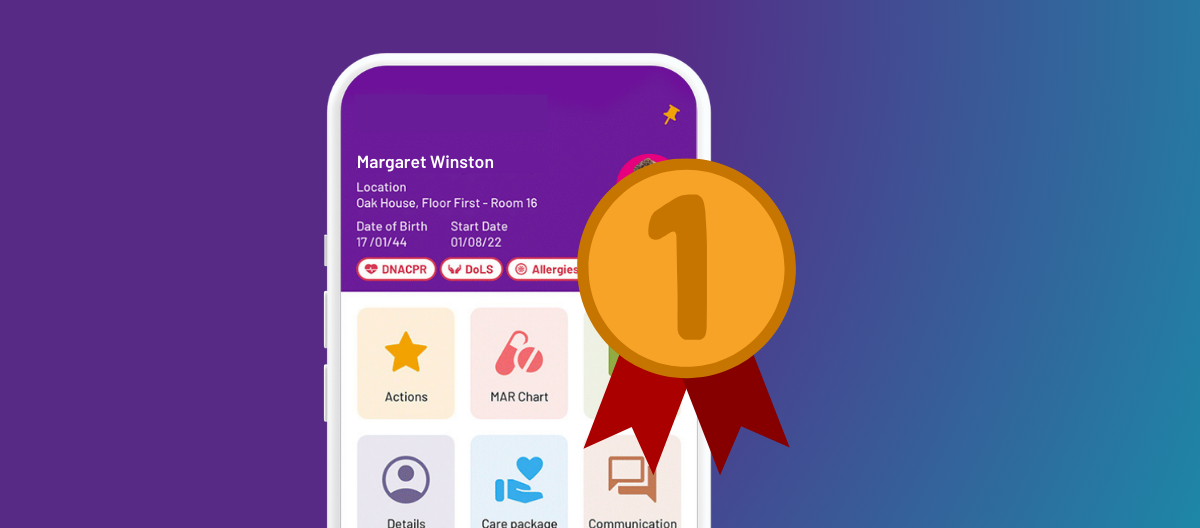
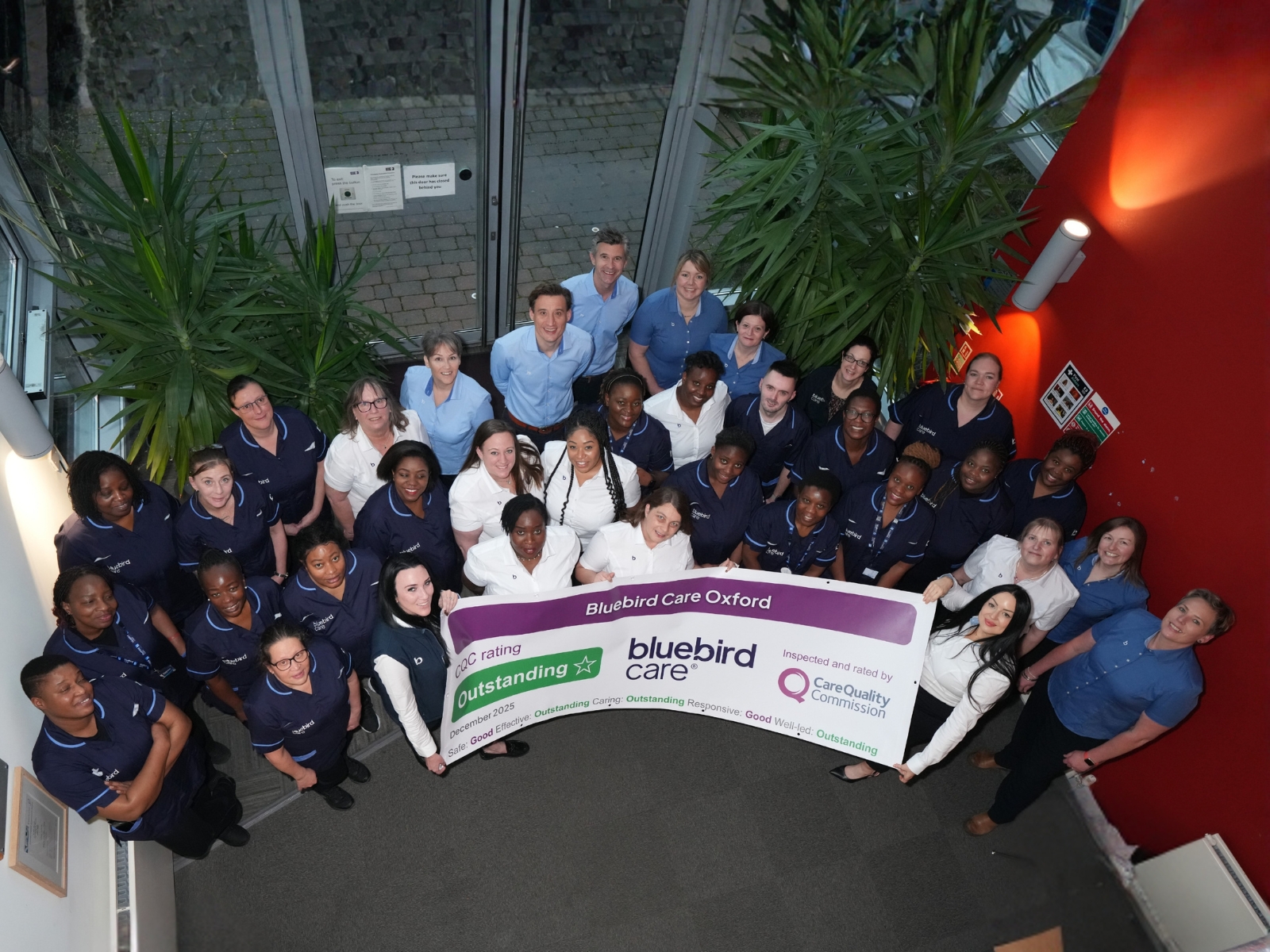
It was January 2026 when a letter landed at Bluebird Care Oxfordshire confirming what the team had spent the past year working towards. The service had been awarded Outstanding in its latest CQC inspection.
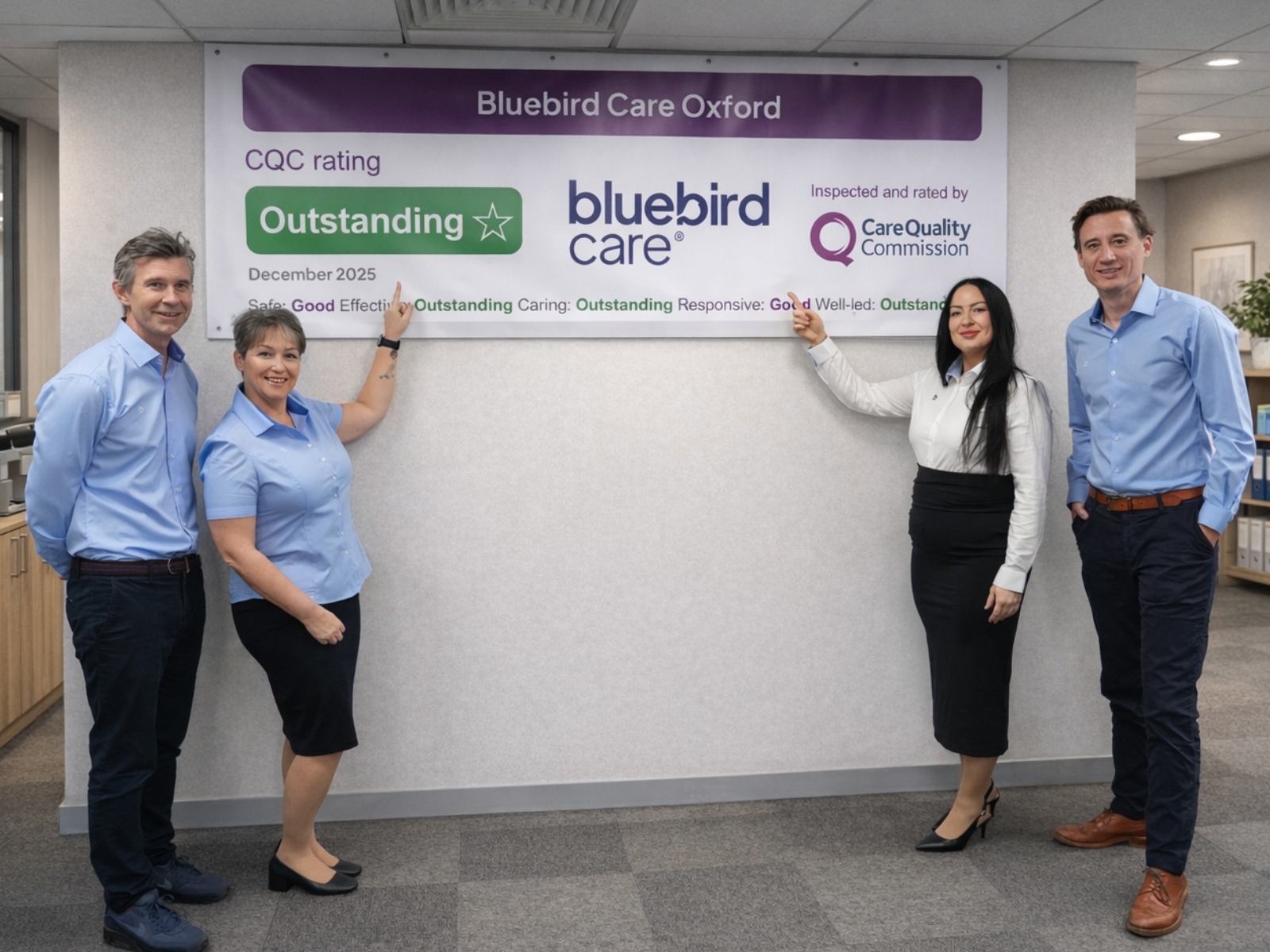
Just 12 months earlier, the branch had been acquired by Bluebird Care, led by Managing Directors Peter Slough and Tim Rowland-Jone, and supported by Operations Director Mel Fairchild.
The objective? Work hand-in-hand with the existing team to help move the service from Good to Outstanding.
Over the next year, that meant reshaping how the branch worked day to day, improving training, strengthening processes, and helping people feel part of one team again.
We spoke to Mel about what really moved the service forward, as well as the advice she’d give to care managers aiming for Outstanding.
Here’s how they did it.
Hi Mel! Thanks so much for taking the time to speak to us today. Let’s jump right in. When you first took over in 2024, what was the service doing well, and where did you feel improvement was needed?
Hi team PASS! Of course, the first few months were all about quick wins.
The business had some structural challenges which we addressed promptly, such as unclear responsibilities and disconnected ways of working, which, almost overnight, allowed the team to have more focus on the business.
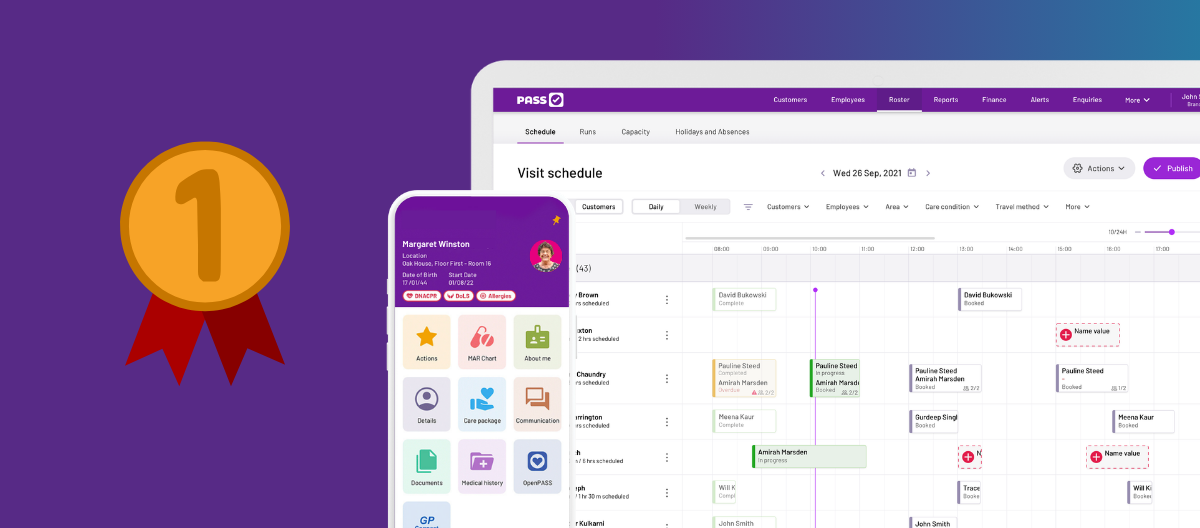
Likewise, the processes in place were not up to speed and we brought in a number of systems, like PASS care management software, to support the team, which allowed us to reset and create a clearer foundation for how the service operated day to day.
So, which areas of care specifically needed improvement, and what was happening at the time that showed change was needed?
Almost everything needed improving. From care scheduling, auditing, and recruitment to workload management and care quality, there was plenty to be getting on with.
To start, no-one had consistent roles, everyone was doing a bit of everything and so nothing was being achieved, which meant tasks were being duplicated, priorities were unclear, and progress was slow.
“The objective? Work hand-in-hand with the existing team to move the service from Good to Outstanding.”
It sounds like you had a lot on your plate! What changes did you make to improve these areas, and which challenge took the longest to get under control?
Branch restructure, group support, and a whole host of training, so people understood their roles, had the right skills, and knew where to go for help.
But culture change took the longest. We very much lead from the front and want the teams to be successful, and that takes time when you are asking people to work in new ways.
It’s great to hear about the passion you have for your people. Once systems and processes improved, what changed for the office team, and what difference did this make for the people you support?
The support and direction is now there, no matter the issue. The team are no longer on their own, there is a wider network around them, so decisions are clearer and problems are shared.
The team are more confident in their delivery of their service, they are much more proactive, stepping in earlier when something does not feel right, and this protects so many more people.
Was there a moment where things started to click and you realised the service was genuinely moving towards Outstanding?
The team all took a while to understand the process, and gently the culture shift happened, but the core values of doing the right thing were always in the people.
They just needed the confidence and direction to deliver this consistently.
That’s amazing to hear. What did carers say felt different once changes started to work, and what helped them feel more confident and supported?
The carers enjoy being part of a team, being heard and knowing that things will be addressed rather than disappearing into a system.
The training, the guidance and the ability to always have someone to guide them, whether that is a manager, colleague, or wider support network.
“We brought in a number of systems, like PASS, which allowed us to reset and create a clearer foundation.”
Improving company culture can feel like a mammoth task. What small change had the biggest impact on staff morale?
Recognition, realising that no one person can change the business but every person had a very key part to play, from coordinators to carers on the frontline.
Inspiring! Earlier you touched on systems and processes. What became easier once the right care technology was in place, and how did digital solutions fit into day to day work?
The system took the pressure off by having thigs consistent, so information was in one place and processes were the same for everyone.
PASS became the core function of our rostering, payroll and invoicing, care planning, care monitoring, which meant the team could plan care, manage staff, and track delivery without jumping between multiple systems.
That’s awesome. Let’s turn towards the inspection. How did you prepare, and what gave you confidence going in?
It’s simple, we are always inspection ready! We lead the business with this mindset, so evidence, care records, and processes are kept up to date all the time, not just before a visit.
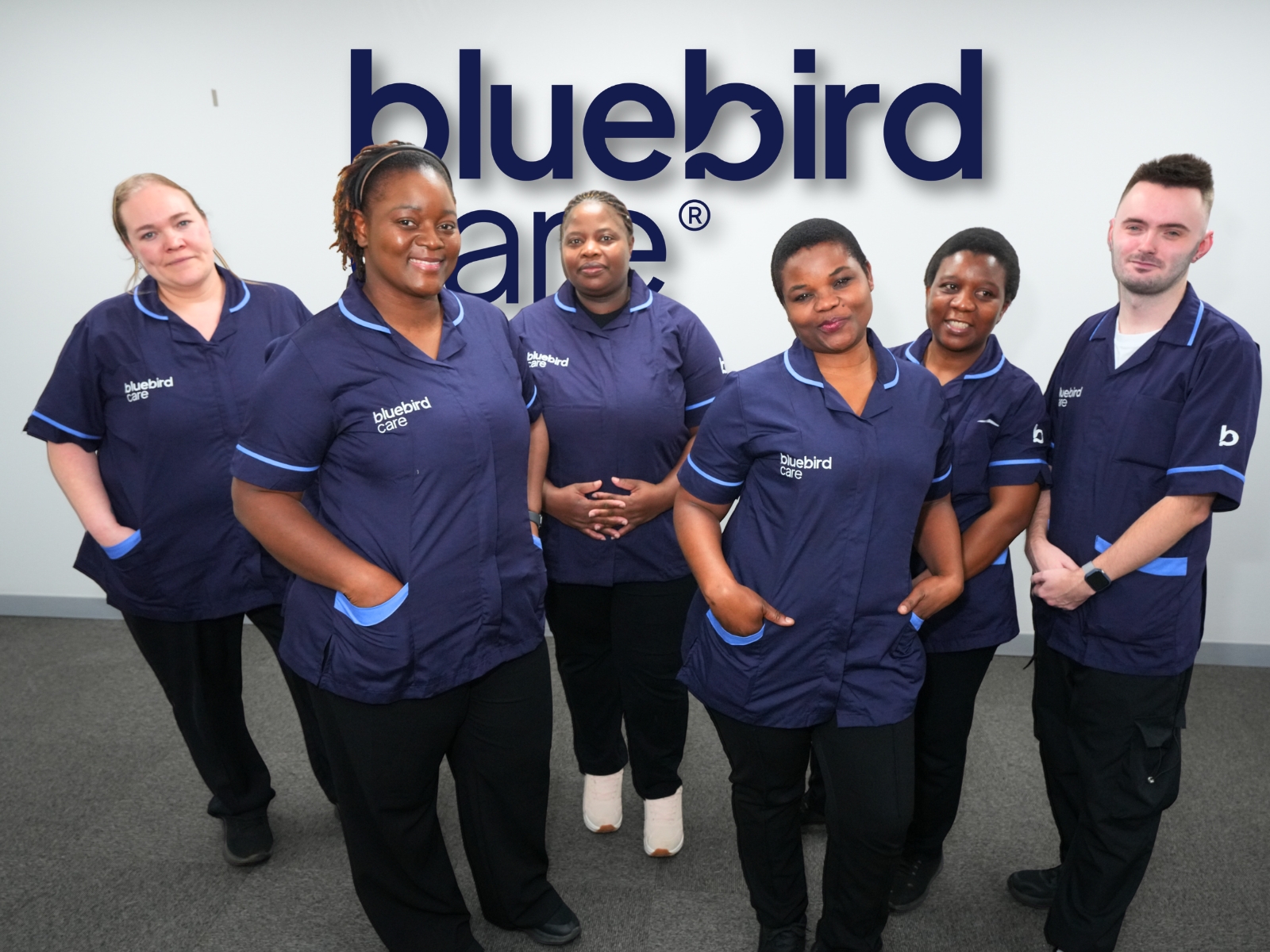
But it’s my team that gave me the most confidence going into the inspection, they are second to none! Having the right people with the right skills is invaluable.
What did inspectors focus on most, and what did they specifically call out as Outstanding practice?
They looked at every avenue of the business. The inspector was very open to conversations but we also had a number of case studies we had been working on in line with the quality statements to be able to showcase what we do so well in real situations.
The CQC were particularly impressed with our approach to recruitment, staffing, and staff wellbeing.
If a provider feels stuck, what’s the first thing they should simplify or address? And what is the biggest difference between a good provider and an Outstanding one?
The staff morale, this is key. Train them well, look after them well and the business will flourish.
As for the difference maker. Being proactive, being open and transparent and learning from what happens every single day, rather than waiting for problems to escalate.
“The team are no longer on their own. There is a wider network around them.”
That’s great advice. What’s the one thing you would have told yourself when you were just starting this journey?
Trust the process and the team. If the team is right everything works.
And finally, Looking ahead, what are you planning to build on this year, and what challenges do you think 2026 will bring?
We are diversifying into clinical delegated tasks and this will widen our ability to support more people which is super exciting.
2026 will bring challenges in care. No year doesn’t. But it is how we respond and move forward that are key. I am confident our team are ready for any challenges which are thrown their way!
You can find out more about Bluebird Care Oxfordshire and keep up with everything they’re doing at https://www.bluebirdcare.co.uk/west-oxfordshire.
Book a free tour
Get the system used by outstanding-rated providers
From clear care plans and shared notes to real-time scheduling and finance, PASS gives your team the tools to deliver outstanding care every day, while reducing admin and improving communication.