As a care provider, you probably spend a lot of time talking about your clients’ targets and needs. Smart goals in care planning are a crucial part of ensuring that your service users can work towards their desired outcomes.
When you’re preparing or reviewing care plans, goal setting should be one of your main considerations. What does your client want to achieve? What support do they need to reach those goals?
In this article, we’ll explain what smart goals are, and how to set good targets. We’ll also look at some examples of smart goals in health and social care.

Table of Contents
Care planning and goal setting
A good care plan will include information about a client’s health and personal care needs, their current abilities, and any medication or equipment they need.
However, it should also focus on what the client wants to achieve. For example, they might want to attend a community group, or prepare their own meals, even if they can’t currently manage these activities.
Care planning and goal setting should be a collaborative process. Your client should be at the centre of all care planning discussions. You may also want to involve other people, including:
- the client’s family and friends, if appropriate
- activity support workers, fitness instructors, and other professionals who understand your client’s interests
- health and social care professionals, such as GPs, specialist nurses, occupational therapists, and social workers
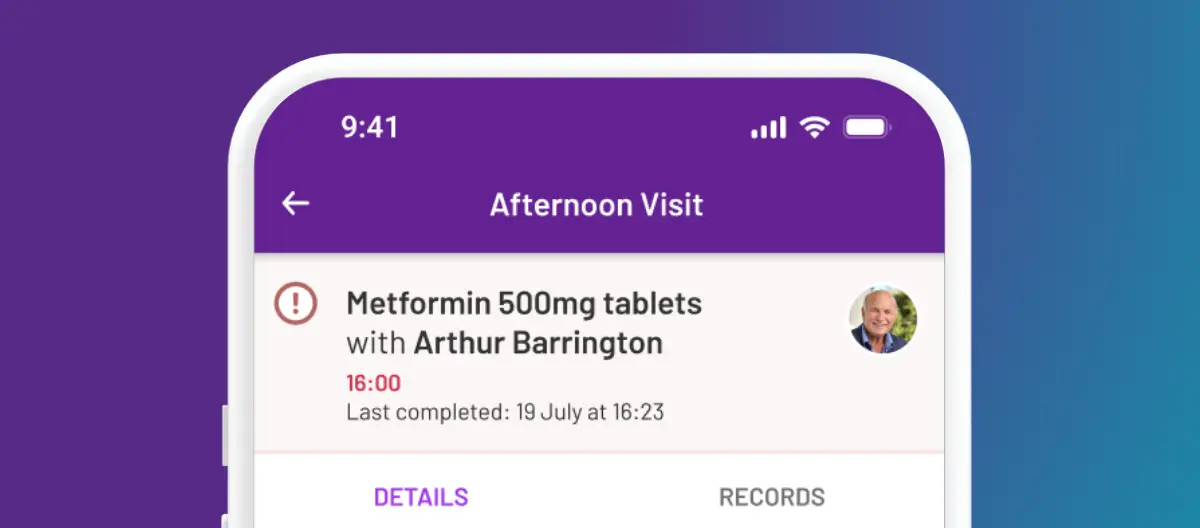
Care planning software, like PASS, can help you record goals, monitor progress, and ensure that your clients are on track to achieve their desired outcomes.
Set smarter goals. Make clearer decisions. See how PASS helps teams plan, record and review care with confidence.
Book a tour today and explore what better goal-setting looks like in practice.
What are smart goals?
Smart goals are:
- Specific: What exactly does your client want to achieve?
- Measurable: How will you and your client see whether they are progressing?
- Achievable: Is this a realistic goal, given your client’s circumstances and needs? If not, can you modify it or remove barriers to support them?
- Relevant: Is this something that your client wants to achieve?
- Time-bound: When will your client achieve this goal?

Smart goals aren’t just for health and social care. They’re used by workers in almost every sector, as well as students, athletes, and many other people.
Unlike simply saying that you want to do something, smart goals encourage people to be more specific, helping to keep them accountable. Smart care plan goals, therefore, are particularly helpful – allowing you to easily review the situation in care planning meetings, and adjust the support you offer to a client if necessary.
Let’s look at two examples of clients who could benefit from smart goals.
William is 83, and lives in a care home. He had a stroke last year, and now has mobility difficulties. He uses a wheelchair or walking frame, and support workers help him with personal care.
Sophie is 20, and lives with her family. She is autistic and has a moderate learning disability. Carers visit her during the day to help with activities of daily living.
We’ll use these examples as we look at smart goals for home health care and residential facilities in more detail.
Smart goals in care planning: Specific
You should state exactly what the client wants to achieve.
It’s not enough to say that William wants to improve his mobility, or Sophie wants to increase her independence. A more specific goal can give them something concrete to work towards.
Talk to your clients about their desired outcomes. When William says he wants to improve his mobility, does he mean that he wants to use his walking frame instead of his wheelchair? What does increased independence look like to Sophie?
Some specific goals might be:
- William wants to be able to walk down the corridor without mobility aids.
- Sophie wants to prepare her lunch independently.
Smart goals in care planning: Measurable
You should be clear about how success will look.
How will William and Sophie know that they are making progress towards their goals? Being able to record progress can reassure clients that they are improving. It also allows carers to see whether their support is helping – or if they need to try something else.
You should keep track of your clients’ progress. You might do this using care management software, like PASS. This will let multiple carers and family members see how the client is developing.
You could also measure progress in visible ways so that your clients feel motivated:
- William could put a sticker on the wall each day as he walks further down the corridor.
- You could take photos of the food Sophie prepares each day and help her make a scrapbook.

Smart goals in care planning: Achievable
You should make sure that the goal is reasonable.
Setting unrealistic goals will only lead to frustration. Failing to meet these goals might discourage a client, and lower their confidence going forward.
To make sure that goals are achievable, it can help to involve your client’s wider healthcare team in the care planning process. They may be able to advise on whether goals are safe and realistic, given your client’s situation.
Consider the barriers to achieving the goal. Can you help your client overcome any of these obstacles?
You could make a goal more achievable by offering some extra support to your clients:
- William wants to walk down the corridor outside his room, but it’s a busy hallway. Other residents frequently open their doors and William doesn’t want anyone to see him if he stumbles. Carers could help him practise at quieter times, or encourage him to try walking in a different place first, so he’s more confident.
- Sophie wants to prepare a meal for herself, but she is often distracted by noises in the kitchen, such as the beeping of the microwave. She could use ear defenders to block out some of the sound.
However, sometimes even extra support isn’t enough. After discussion with William and his healthcare team, you may decide together that the long walk down the corridor, without mobility aids, isn’t a reasonable goal at this point.
Some more achievable smart care plan goals could be:
- William will walk down the corridor using his walker, rather than being pushed in a wheelchair.
- William will walk to his bathroom without his walker.
Thinking about realistic targets and ambitions can be painful or frustrating for clients – especially if they have recently had a health setback or a new diagnosis. Be patient with your clients as they adjust their expectations. In many cases, smart goals can still help them take part in meaningful activities and remain as healthy and independent as possible.
Smart goals in care planning: Relevant
You should make sure that the person wants to achieve this goal, and that it is meaningful to them.
Smart goals in care planning should be led by the client, and fit with their needs, abilities, interests and circumstances. During your care planning meetings, you should encourage your clients to share their thoughts on their goals.
Sometimes, a client’s family members and healthcare teams take over during care planning meetings. As a care provider, your role here should be to ensure that your client and their wishes are at the heart of all these discussions, so that you can support them with true person-centred care.
Here are some tips to ensure that a client’s goals are truly relevant to them:
- Take note of your client’s interests as you get to know them. This will help you make suggestions during their next care planning meeting.
- If a client’s family is dominating the conversations, talk to your client separately at another time – perhaps during a routine care visit. Ask about their interests and ambitions, and keep note of this information for your next care review meeting.
- Make care planning a continuous process. If you notice that a client is losing interest in achieving a goal, talk to them about it, even before their next care review.
- Consider your client’s circumstances. If they have recently had an injury or their health situation has deteriorated, their goals and ambitions might have changed.

Smart goals in care planning: Time-bound
You should set a timeframe for the goal.
Smart care plan goals should have a timeframe included, to motivate the client. This could either be a deadline, when the goal will be completed, or a duration, such as every day or once a week.
If Sophie says that she is going to prepare her meals “some day,” there can be a temptation to procrastinate. However, if she is going to do it on Monday, that feels like more of a commitment.
Here are some time-bound smart goals in health and social care examples:
- Sophie will make sandwiches independently on Monday.
- William will practise walking without his walker for ten minutes each day for the next week.
- William will walk down the corridor outside his room without his walker in six months.
Smart goals in health and social care – examples
As a care provider, your clients may have widely differing circumstances. A young person receiving domiciliary care may have very different goals to an older person living in a care home, for example.
As long as the goals are specific, measurable, achievable, relevant, and time-bound, you can set smart goals in a variety of different environments and circumstances.
It’s important to ensure that targets are led by the client and their wishes, but here are some examples to guide you in your care planning process.
Smart goals for home health care
Smart goals for home health care might focus on making sure that the client spends time in the community, to avoid loneliness and isolation. Clients might also want to set smart goals in self care, improve their independence, look after their own home or budget, or develop new skills.
- Ruth will attend an art class on Wednesdays in September and October.
- Julie will prepare breakfast for herself every morning this week.
- Jimmy will walk to the corner shop and buy milk twice a week.
One of the biggest challenges with smart goals for home health care can be co-ordinating with your client’s other carers. In a residential facility, you often see your colleagues for handover meetings, but in domiciliary care, you might rarely have chance to talk to other care workers. Home care software can help here – it can let you share notes with coworkers, so everyone knows how a service user is progressing.
Smart goals in nursing home examples
Smart goals in care or nursing homes might include maintaining or improving mobility, caring for their own environment, or increasing social interaction. If a client requires minimal nursing, smart goals for wound care or medication management might help them take control of their own health.
- Nisha will eat one meal in the dining room with other residents each day this week.
- Ken will be able to dress his own wounds each day by September.
- Joan will water the community gardens three times a week in the spring.
Smart goals for palliative care
It might feel difficult to set smart goals for palliative care or end of life care. Clients receiving supportive care may not be able to regain previous mobility, and usually have complex health conditions. However, many palliative care patients still want to remain independent and follow their own interests.
Smart goals in a nursing care plan could focus on pain and symptom management, emotional support, and improving quality of life.
- Barbara will administer her own pain medication three times a day until her next hospital appointment.
- Simon will meet with the hospital chaplain once a week for the next month.
- Alex will spend half an hour in the garden every day this week.
Smart goals for staff development
Smart goals in health care and social care can also help your staff team. Whether they’re new to the industry and need to learn the basics, or they’re planning their future career development, working towards targets can help them progress.
During your team’s development reviews, ask each staff member what their aspirations are – do they want to become a care manager or activity support worker, or take additional qualifications? This information can help you support them in their career progression.
You can use the same principles of smart goals in care planning to support your team. For example:
- Suzanne will complete her Level 2 Adult Social Care Certificate qualification by the end of the year.
- Nathan will shadow the activity co-ordinator once a week until September, to gain more experience in activity planning.
Conclusion: smart goals in health and social care
Smart goals are a great way to help your clients follow their interests, enhance their mental health, and even improve their physical wellbeing.
Care management software, like PASS, can help you work with your clients to set goals and track their progress. Once you know your client’s goals and wishes, you can understand how best to support them. Setting smart goals gives your client real control over their own care.